What to Consider Before Adding Cameras
By AlterEgo Web Team • November 11, 2025
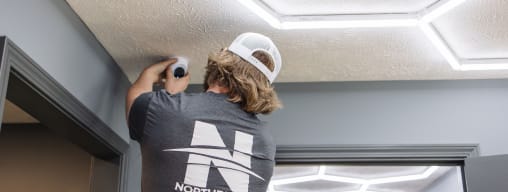
Coverage, video retention, and remote access explained in simple terms.
Adding security cameras can be a smart way to protect your home or business. But before installation, it’s important to understand a few key factors. Planning ahead helps you choose the right security camera system, avoid unnecessary costs, and get the most value from your investment.
Here are three essential things to consider before adding cameras.
Coverage: What areas should your security cameras monitor?
Camera coverage refers to where your security cameras are installed and what they can clearly capture. Common areas include entrances, exits, parking lots, and high-traffic zones. More coverage isn’t always better, sometimes a clear, focused view of a doorway provides more useful footage than a wide shot with less detail. Also consider lighting conditions and potential obstructions that could affect video quality.
Retention: How long should security camera footage be stored?
Video retention is the length of time recorded footage is saved before it’s deleted or overwritten. Depending on your security camera storage setup, this could be anywhere from a few days to several months. Longer retention is helpful if incidents are discovered later, but it requires more storage space or cloud services. Be sure to factor in business needs, local regulations, and budget when choosing retention settings.
Remote access: Can you view your security cameras from anywhere?
Remote access allows you to view live or recorded footage from your phone, tablet, or computer. This feature is especially valuable for business owners, property managers, and homeowners who want peace of mind while away. Look for systems that offer secure logins, reliable apps, and easy remote monitoring.
Before installing security cameras, take time to plan. Understanding camera coverage, video retention, and remote access will help you choose a security camera system that’s effective, easy to use, and built for your specific needs.